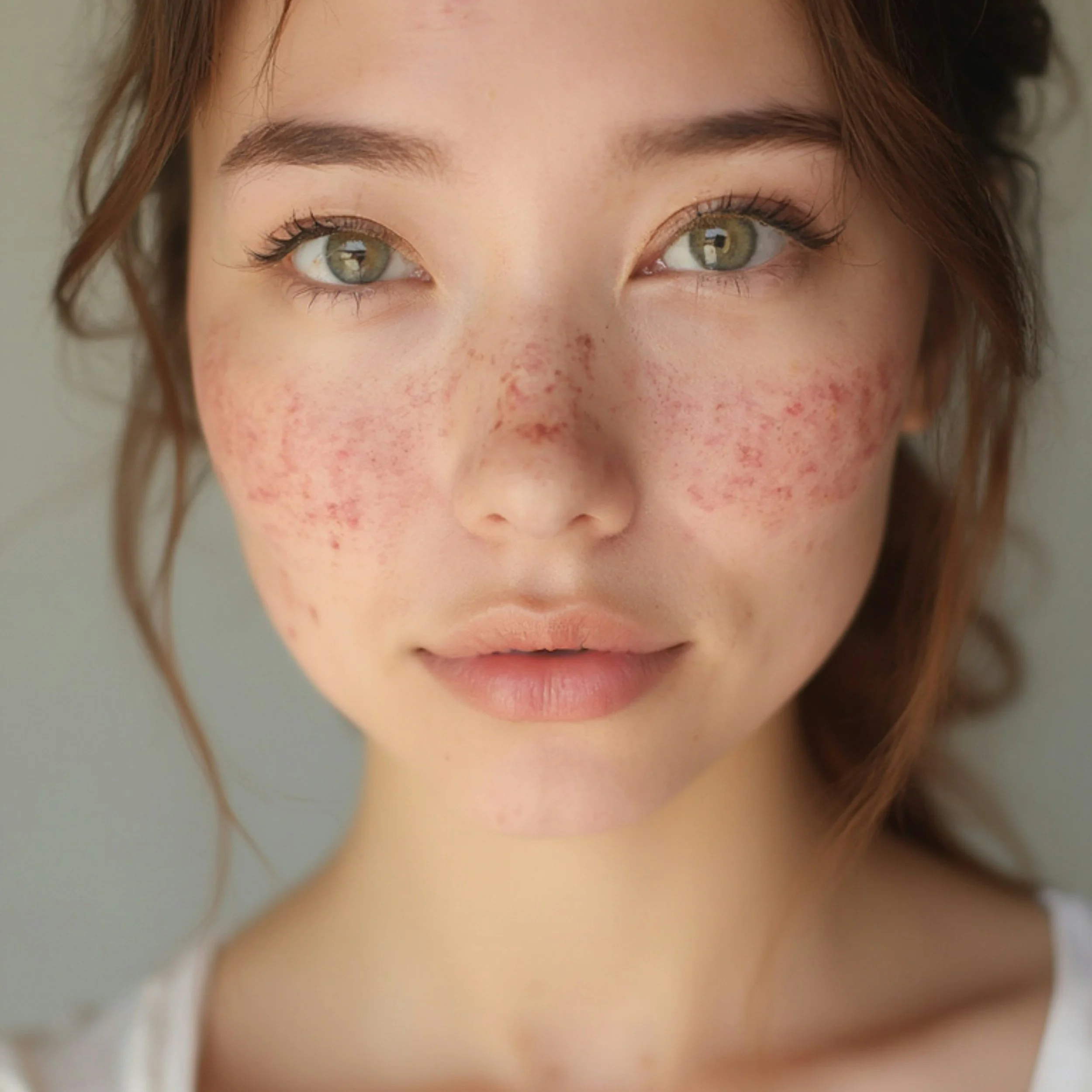
Why Does My Face Go Red? (And What Can You Actually Do About It?)
Whether it happens after washing your face, exercising, enjoying a glass of wine or seemingly for no reason at all, facial redness can be frustrating, uncomfortable and difficult to cover.
If you’ve found yourself asking, “Why is my face always red?” you’re certainly not alone.
The good news is that redness isn’t usually something you simply have to live with. Understanding what’s causing it is the first step towards calmer, healthier-looking skin.
Common Reasons Your Face May Look Red
Facial redness can have several different causes, and often it’s a combination of factors rather than just one.
1. Your skin barrier is struggling
One of the most common reasons for persistent redness is a weakened skin barrier.
Your skin barrier acts like your body’s protective shield, helping to lock in moisture while keeping irritants out. When it becomes damaged, your skin can become:
Red
Tight
Sensitive
Dry
Easily irritated
Over-cleansing, harsh exfoliants and even environmental changes can all contribute.
2. Sensitive skin
Some people naturally have more reactive skin.
Heat, cold weather, spicy foods, alcohol, fragranced skincare and even emotional stress can trigger temporary flushing.
Keeping a diary of when your redness appears can sometimes help identify patterns.
3. Over-exfoliating
Exfoliation can leave your skin looking brighter - but too much can do the opposite.
Using strong acids or exfoliating too frequently can strip away your skin’s natural protective barrier, leaving it feeling sore, inflamed and red.
4. Dry or dehydrated skin
Dry skin and dehydrated skin aren’t quite the same thing, but both can contribute to redness.
When your skin lacks moisture, it becomes more vulnerable to irritation and inflammation.
Supporting hydration both inside and outside the skin can make a noticeable difference.
5. Skin conditions
Sometimes ongoing redness may be linked to conditions such as rosacea, eczema or dermatitis.
If your redness is persistent, worsening or accompanied by discomfort, it’s always worth speaking with a healthcare professional for an assessment.
6. What’s Happening Inside Your Body
Sometimes facial redness isn’t just about the products you’re using.
Your skin is your body’s largest organ and what happens internally can often be reflected externally. Emerging research suggests there’s a close relationship between your gut and your skin, known as the gut-skin axis.
Your gut is home to trillions of bacteria that help regulate your immune system, inflammation and overall health. When your gut microbiome becomes imbalanced, some people may notice changes in their skin. While gut health isn’t the cause of every case of facial redness, it may play a role for some individuals.
Factors that may contribute include:
An imbalanced gut microbiome.
Food sensitivities or intolerances.
A diet low in fibre and plant diversity.
Chronic stress, which can affect both the gut and the skin.
Poor sleep, which reduces your body’s ability to repair and regulate inflammation.
Looking after your gut won’t replace a good skincare routine, but supporting your health from the inside while caring for your skin on the outside can often be a more holistic approach.
If your redness is persistent, worsening, painful or accompanied by other symptoms, it’s always worth speaking to your GP or a dermatologist to rule out underlying skin conditions such as rosacea, eczema or dermatitis.
How Can You Calm Facial Redness?
Rather than trying to hide redness with heavier makeup, focus on supporting your skin.
Simple changes often make the biggest difference:
Cleanse gently without over-washing.
Avoid harsh scrubs.
Protect your skin barrier.
Wear sunscreen every day.
Introduce new skincare products gradually.
Choose products designed for sensitive or compromised skin.
Consistency is far more important than using lots of different products.
Ingredients Worth Looking For
If redness is one of your main concerns, ingredients that help support and calm the skin barrier are often a good place to start.
Look for products containing ingredients that help replenish moisture, support repair and reduce irritation rather than products designed to aggressively exfoliate or strip the skin.
Products We Recommend for Redness-Prone Skin
If your redness is linked to dryness or a compromised skin barrier, these products may help support healthier-looking skin:
GENOSYS Skin Barrier Cream – designed to help nourish and strengthen the skin barrier while providing lasting hydration.
GENOSYS Multi Functional Cream with Bakuchiol – ideal for those wanting anti-ageing support without some of the irritation that stronger active ingredients may cause.
Used together, they help create a simple routine focused on calming and supporting your skin rather than overwhelming it.
Redness isn’t always something that needs to be “fixed” overnight.
More often than not, your skin is simply trying to tell you that it needs a little more support and a little less stress.
By understanding what’s causing your redness and choosing products that strengthen rather than strip your skin, you can gradually encourage a calmer, healthier complexion.