Why Does My Face Look Puffy?
5 Common Causes and What To Do About It
Have you ever looked in the mirror first thing in the morning and wondered why your face looks puffy, swollen or less defined than usual?
Facial puffiness is incredibly common, especially for women over 35. The good news is that it’s often linked to lifestyle, hormones, hydration and circulation rather than anything serious.
Let’s explore some of the most common reasons your face may look puffy and what you can do about it.
Skin is just one piece of the puzzle - Wondering if blood sugar could be affecting your skin, energy, hormones or weight? Take my free 2-minute quiz. → Take the quiz
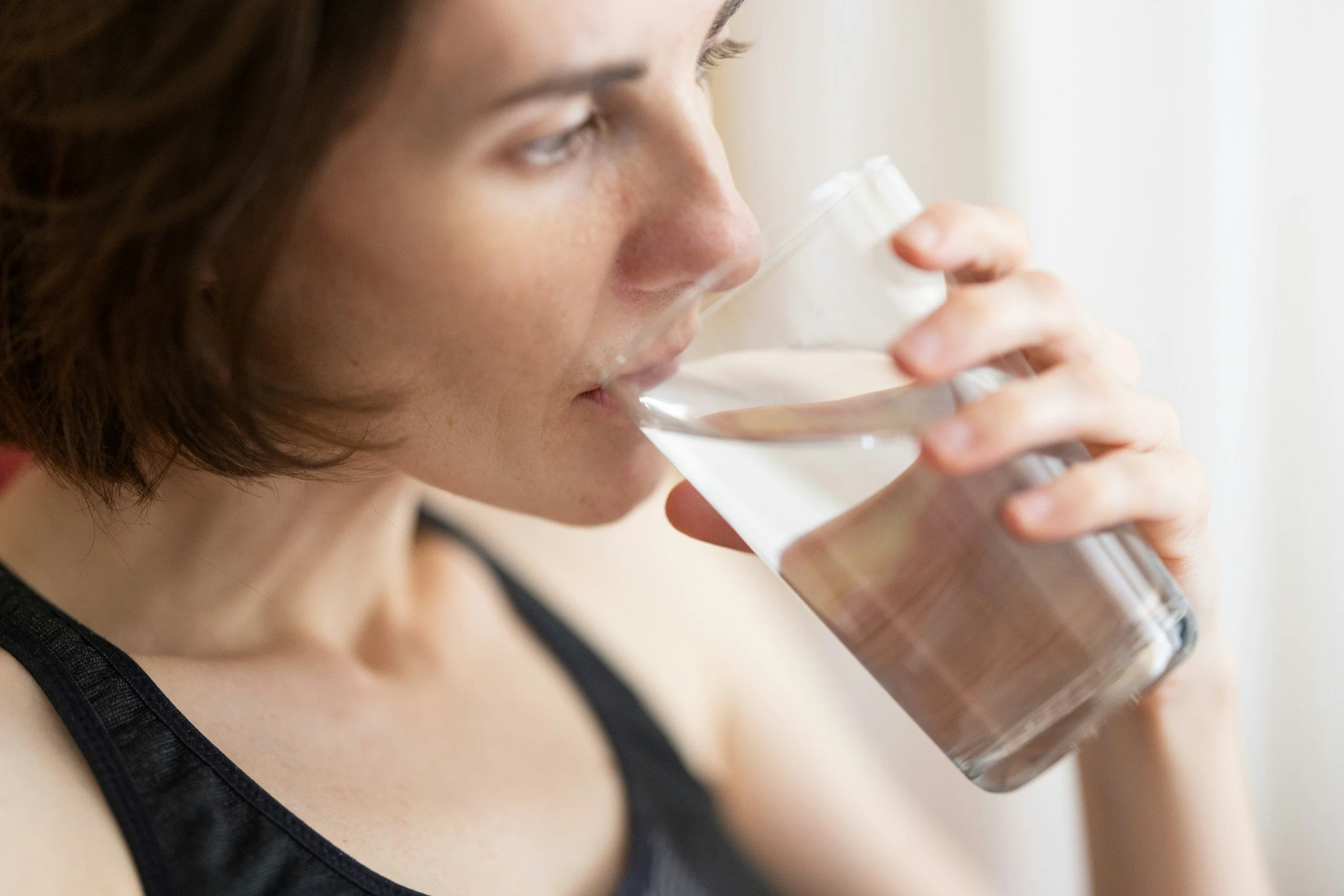
1. Water Retention
One of the most common causes of facial puffiness is simply retaining excess fluid.
This can happen after:
Eating salty foods
Drinking alcohol
Hormonal fluctuations
Poor sleep
Dehydration
Ironically, not drinking enough water can cause the body to hold onto fluid, making puffiness worse.
What can help?
Drink plenty of water throughout the day
Reduce highly processed foods
Increase daily movement - seated calf raises / 20 minute walks
Eat potassium-rich foods such as avocado, spinach and sweet potato
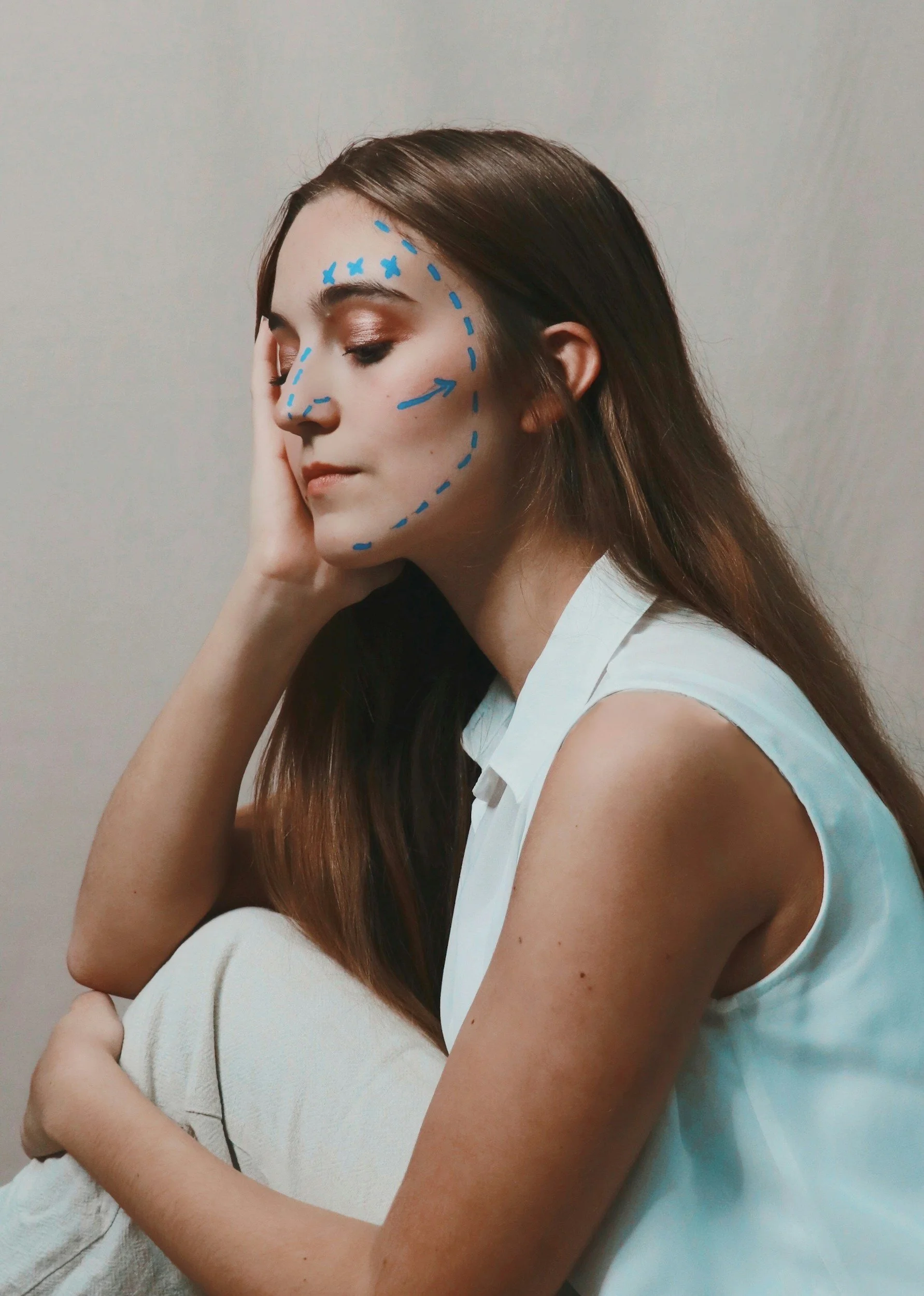
2. Hormonal Changes
Many women notice increased facial puffiness during perimenopause and menopause.
Fluctuating hormones can affect fluid balance, circulation and inflammation levels throughout the body.
This is often why women notice:
Puffier eyes
Fuller cheeks
A less defined jawline
General facial bloating.
What can help?
While hormonal changes are a natural part of life, there are several simple ways to reduce facial puffiness:
Gentle facial massage to encourage lymphatic drainage
Gua sha or facial sculpting tools
Facial cupping - my personal favorite.
Drinking plenty of water throughout the day
Reducing excess salt and alcohol
Prioritising quality sleep
Regular movement such as walking
Cooling eye masks or chilled jade rollers in the morning
Cool water face splash AM / PM
Professional facials that include lymphatic drainage massage
Many clients find that even five minutes of facial massage each morning can make a noticeable difference to puffiness and facial definition over tim

3. Lack of Sleep
Poor sleep can have a surprisingly visible impact on your face.
When you’re tired, fluid can accumulate around the eyes and face, creating a swollen or puffy appearance.
What can help?
Aim for a consistent sleep schedule where possible.
Try sleeping with your head slightly elevated
Keep your bedroom cool and well-ventilated.
Avoid large meals, excess alcohol, and very salty foods close to bedtime.
Many people notice that after just a few nights of better-quality sleep, their eyes appear brighter and their face looks noticeably less puffy.

4. Stress
Stress affects far more than just your mood.
Long-term stress can influence inflammation, hormone balance and sleep quality, all of which can contribute to a puffy appearance.
Many clients notice their face appears more swollen during particularly stressful periods of life.
What Can Help?
While we can’t always remove stress completely, there are simple ways to support both your wellbeing and your skin:
Regular walks, outdoors in nature
Gentle exercise such as Pilates, yoga, or stretching - Even 15 minutes a day is helpful
Deep breathing exercises or breathwork
Meditation or mindfulness practices
Spending time with supportive friends and family
Taking regular breaks from screens and social media
Prioritising sleep and rest
Setting healthy boundaries and making time for yourself
Even a 20-minute walk can help reduce stress, improve circulation and encourage lymphatic movement throughout the body.
Don’t Underestimate the Power of Your Nervous System
Many people don’t realise that your skin often reflects what’s happening internally.
When we’re constantly rushing, worrying or operating in “fight or flight” mode, it can show up in many ways, including puffiness, dullness, breakouts and increased sensitivity.
Sometimes the best thing you can do for your skin isn’t another product, it’s creating more moments of calm throughout your day.

5. Inflammation and Sluggish Lymphatic Drainage
Inflammation and the lymphatic system are closely connected.
When inflammation levels are elevated, whether due to stress, poor sleep, alcohol, highly processed foods or hormonal changes, the body may hold onto more fluid. At the same time, if lymphatic drainage becomes sluggish, that fluid can accumulate around the eyes, cheeks, jawline, and neck, making the face appear puffy or swollen.
Potential contributors include:
Highly processed foods
Excess sugar
Alcohol
Food sensitivities
Poor gut health
Lack of sleep
Chronic stress
Hormonal changes
What Can Help?
There are several simple ways to support healthy circulation and reduce feelings of puffiness:
Daily walking and movement
Lymphatic drainage exercises (many free guided routines are available on YouTube)
Body cupping tools
Dry body brushing
Lymphatic body massage
Staying well hydrated throughout the day
Eating plenty of whole foods and vegetables
Reducing alcohol and highly processed foods
Support Your Lymphatic System
Unlike the heart, the lymphatic system doesn’t have a pump of its own. It relies on movement to help fluid circulate around the body.
Simple activities such as walking, stretching, rebounding, gentle exercise and lymphatic massage can help encourage healthy lymphatic flow and reduce feelings of heaviness and puffiness.
Many people notice a visible difference in their face after combining regular movement with lymphatic drainage techniques.
Skin is just one piece of the puzzle - Wondering if blood sugar could be affecting your skin, energy, hormones or weight? Take my free 2-minute quiz. → Take the quiz