Why Is My Skin So Dry Even Though I Moisturise Every Day?
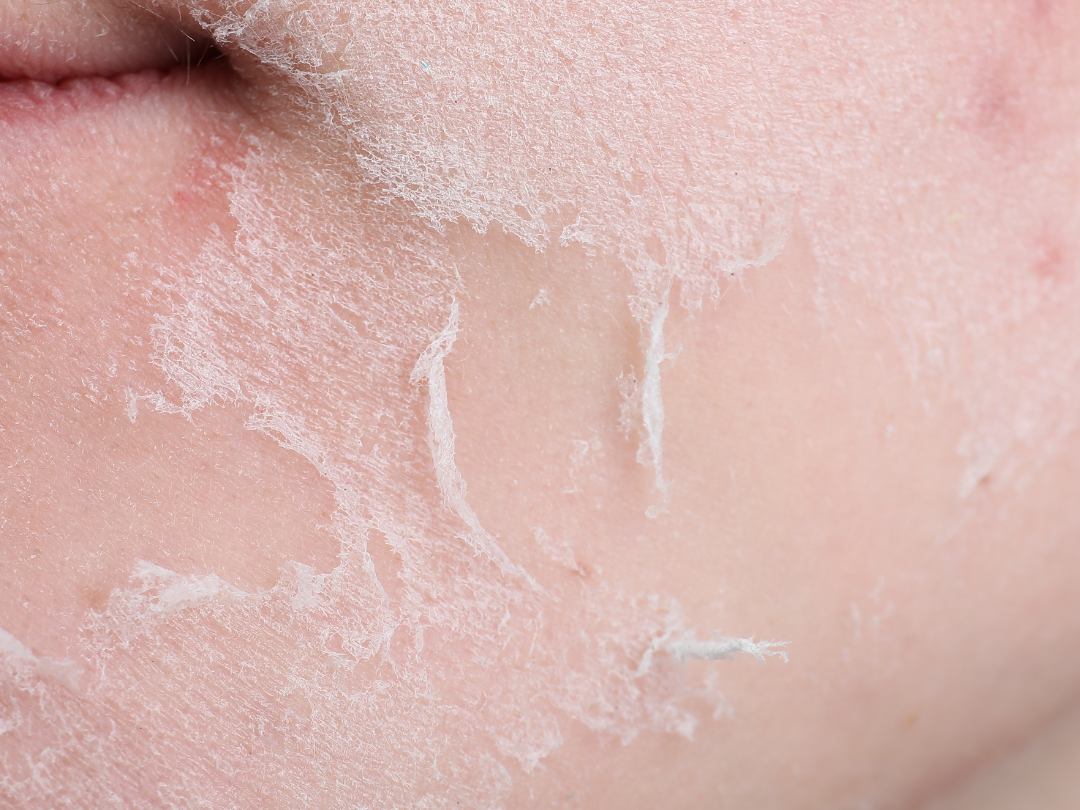
If you’ve invested in expensive moisturisers but your skin still feels tight, flaky or uncomfortable, you’re not alone.
Many people assume dry skin simply means they need a richer cream. In reality, there are several reasons why your skin may still feel dry, even if you’re moisturising every day.
The good news? Once you understand what’s causing it, you can choose products and habits that genuinely support healthier, more comfortable skin.
1. Your Skin Barrier Needs Support
Your skin barrier is your body’s natural protective layer.
When it’s healthy, it helps lock moisture into the skin and keeps irritants out.
When it’s damaged, moisture escapes much more easily, leaving your skin feeling:
Tight
Rough
Flaky
Sensitive
Itchy
Instead of continually changing products, your skin may actually need time and consistency to repair.
2. You Could Be Over-Cleansing
Many people cleanse too often or use cleansers that strip away the skin’s natural oils.
Signs this could be happening include:
Tight skin after washing
Redness
Stinging when applying skincare
Increased dryness throughout the day
A gentle cleanser is often more effective than a harsh one.
3. Hot Showers May Be Making It Worse
As lovely as a hot shower feels, very hot water can remove the natural oils that help keep your skin hydrated.
Try using warm rather than very hot water and apply moisturiser while your skin is still slightly damp to help lock in hydration.
4. Your Skin Could Be Dehydrated
People often confuse dry skin with dehydrated skin.
Dry skin lacks oil.
Dehydrated skin lacks water.
It’s possible to experience both at the same time.
Drinking enough water and using hydrating skincare ingredients can help support your skin from both directions.
5. Looking Beyond Your Skincare
Healthy skin isn’t only about what you apply to the outside.
Emerging research suggests there is a close connection between your gut and your skin, often referred to as the gut-skin axis.
Your gut microbiome plays an important role in immune function and inflammation. While gut health won’t explain every case of dry skin, looking after your overall health may also support healthier-looking skin.
Simple ways to support both your gut and your skin include:
Eating plenty of colourful vegetables.
Including healthy fats such as olive oil, nuts and seeds.
Eating a variety of fibre-rich foods to nourish your gut microbiome.
Staying hydrated.
Prioritising quality sleep.
Managing stress where possible.
Beautiful skin often reflects a combination of good skincare and good overall health.
Ingredients That Can Help
When your skin feels persistently dry, look for products that focus on repairing and supporting the skin barrier.
Helpful ingredients include:
Ceramides
Hyaluronic Acid
Glycerin
Squalane
Bakuchiol (for gentle age-support)
Panthenol
Products I Recommend
If your skin feels dry, tight or sensitive, these products can help support hydration while strengthening your skin barrier.
GENOSYS Skin Barrier Cream
A nourishing moisturiser designed to support the skin’s natural protective barrier and provide lasting hydration.
GENOSYS Multi Functional Cream with Bakuchiol
Perfect if you’re looking for hydration alongside gentle support for ageing skin without some of the irritation associated with stronger active ingredients.
Daily sunscreen is also essential, as UV damage can weaken the skin barrier over time—even on cloudy days.
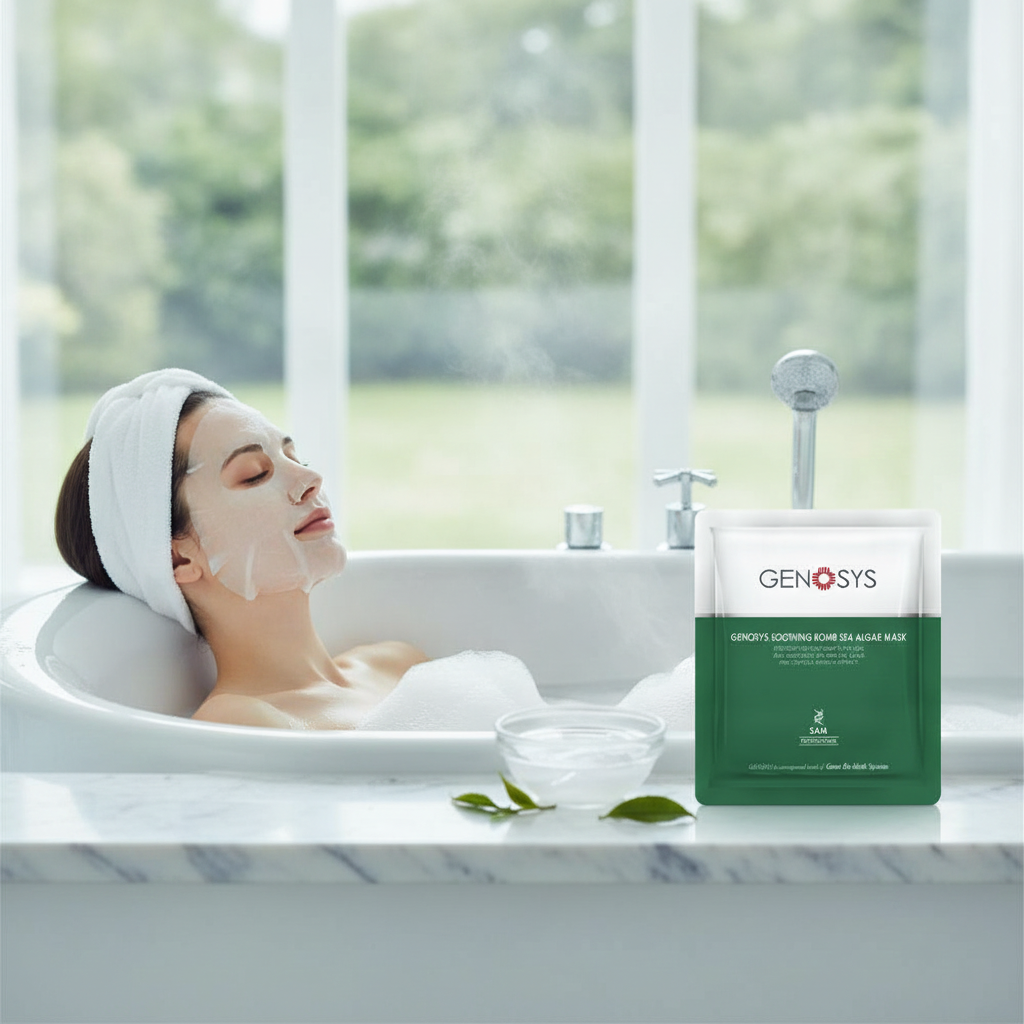
If your skin is still dry despite moisturising every day, don’t assume you simply need another cream.
Often, the answer lies in understanding why your skin is struggling in the first place.
Supporting your skin barrier, choosing gentle products and looking after your health from the inside out can all contribute to healthier, more comfortable skin over time.
Related Articles
If you found this article helpful, you may also enjoy:
Why Does My Face Go Red? (And What Can You Actually Do About It?) – Discover the common causes of facial redness and how to support a calmer, healthier-looking complexion.
Why Does My Skin Look Older Than I Feel? – Explore the everyday factors that can influence how your skin ages and what you can do to support a healthier-looking complexion.