How Do I Get Rid of Blackheads? A Skin Specialist’s Guide
Blackheads are one of the most common skin concerns I see. They can be frustrating, stubborn, come at any age and often seem to return no matter how much you cleanse your skin.
The good news? Blackheads can be significantly reduced with the right approach.
The bad news? Many of the methods people use to remove them can actually make the problem worse.
In this guide, I’ll explain what blackheads are, why they form, and the best ways to keep your skin clear and healthy.
Skin is just one piece of the puzzle - Wondering if blood sugar could be affecting your skin, energy, hormones or weight? Take my free 2-minute quiz. → Take the quiz
What Are Blackheads?
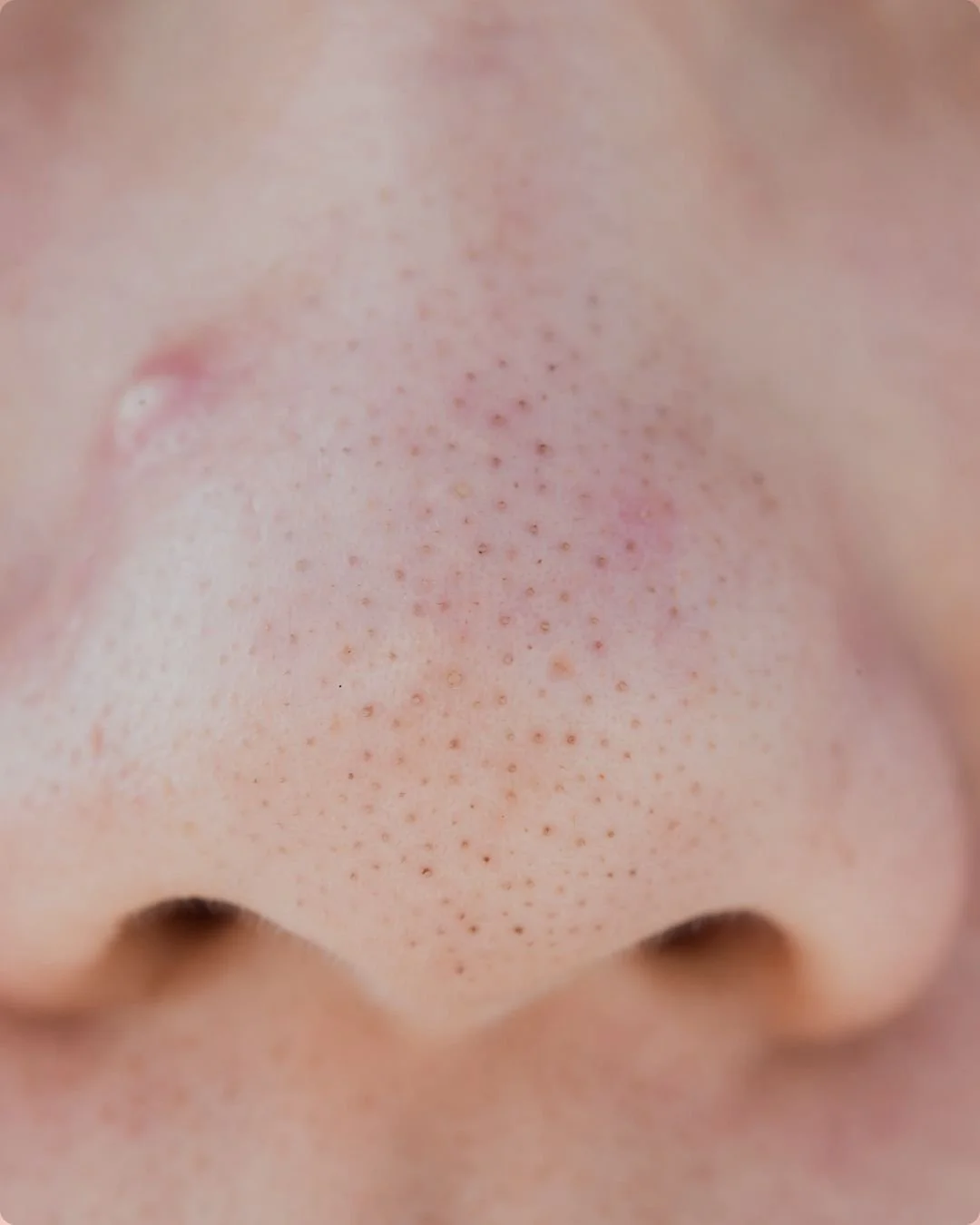
Blackheads are a type of clogged pore.
When excess oil (sebum), dead skin cells, and debris become trapped inside a pore, a blockage forms. Because the pore remains open, the contents are exposed to air and oxidise, turning dark in colour. Contrary to popular belief, blackheads are not dirt trapped in the skin.
They most commonly appear on:
Nose
Chin
Forehead
Cheeks
Chest and back
Why Do Blackheads Keep Coming Back?
Blackheads are often caused by a combination of factors, including:
Excess Oil Production
Some people naturally produce more oil, making them more prone to congestion.
Dead Skin Build-Up
When dead skin cells aren’t removed effectively, they can accumulate and contribute to blocked pores.
Hormonal Changes
Hormones can influence oil production, which is why blackheads often worsen during puberty, menstrual cycles, pregnancy, and perimenopause.
Incorrect Skincare
Using products that are too harsh or too rich for your skin type can sometimes contribute to congestion.
The Biggest Mistakes People Make
Many people unknowingly make blackheads worse by:
Scrubbing the skin aggressively
Using harsh exfoliants too frequently
Picking and squeezing pores
Over-cleansing
Relying on pore strips for long-term results
What Actually Helps?
The key to reducing blackheads is consistency rather than aggression.
Step 1: Cleanse Properly
A good cleanser helps remove excess oil, makeup, sunscreen and daily impurities without stripping the skin.
One cleanser I often recommend is the epiderma5 Pure Cleanse. It leaves the skin feeling clean and refreshed while helping maintain the skin barrier.
Step 2: Exfoliate Gently
Regular exfoliation helps remove dead skin cells before they have the chance to build up and block pores.
The GENOSYS EPI Turnover Boosting Peeling Gel is a gentle exfoliating treatment designed to encourage healthy skin turnover and help keep pores clearer.
Unlike harsh scrubs, peeling gels work without excessive friction, making them suitable for many skin types.
Step 3: Target Congestion
If blackheads are accompanied by oily or blemish-prone skin, using targeted products can help support a clearer complexion.
The GENOSYS Intensive Problem Control Cream has been formulated for blemish-prone skin and can help improve the appearance of congestion while supporting overall skin health.
Professional Treatments for Blackheads
For more stubborn congestion, professional treatments may be beneficial.
These may include:
Professional extractions
Chemical peels
Deep cleansing facials
Skin consultations to identify contributing factors
A personalised approach is often the quickest route to clearer skin - but what you're doing daily at home is equally, if not more vital.
Can You Get Rid of Blackheads Permanently?
Unfortunately, there is no permanent cure for blackheads.
Because your skin continuously produces oil and sheds dead skin cells, blackheads can return over time.
However, with the right skincare routine and regular maintenance, they can be significantly reduced and kept under control.
Frequently Asked Questions
What causes blackheads on the nose?
The nose contains a high concentration of oil glands, making it one of the most common areas for blackheads to develop.
Are blackheads dirt?
No. Blackheads are formed from oil and dead skin cells inside the pore. The dark colour is caused by oxidation when the blockage is exposed to air.
Do pore strips work?
Pore strips can remove some surface debris temporarily, but they do not prevent blackheads from returning.
How often should I exfoliate if I have blackheads?
This depends on your skin type and the product being used. Over-exfoliating can irritate the skin, so it’s important to follow product guidance and introduce exfoliation gradually.
Can moisturiser cause blackheads?
Some heavy or unsuitable products may contribute to congestion in certain skin types. Choosing products appropriate for your skin concerns is important.
Consistency is key
When it comes to blackheads, gentle and consistent skincare almost always delivers better results than aggressive treatments.
Focus on proper cleansing, regular exfoliation and products designed to support clearer skin. Most importantly, avoid the temptation to scrub or squeeze your skin excessively.
If you’re struggling with persistent blackheads or congestion a professional skin consultation can help identify the best products and treatments for your individual skin.
Skin is just one piece of the puzzle - Wondering if blood sugar could be affecting your skin, energy, hormones or weight? Take my free 2-minute quiz. → Take the quiz