Why your skin changes after 35 (and what most women get wrong).
If you’ve noticed your skin suddenly feels different in your mid-30s and beyond, you’re not imagining it.
Many of my clients come to me saying the same thing:
“My skincare used to work… and now it doesn’t.”
They feel confused, frustrated and often start trying stronger products or more treatments, hoping to fix the problem quickly.
But the truth is, your skin is changing, and the solution is usually very different from what most women are told.
Skin is just one piece of the puzzle - Wondering if blood sugar could be affecting your skin, energy, hormones or weight? Take my free 2-minute quiz. → Take the quiz
Hormones start to shift earlier than you think
From our mid-30s, hormone levels begin to fluctuate. Oestrogen gradually declines, which plays a key role in skin hydration, collagen production and barrier strength.
This can lead to:
• Dryness and dehydration
• Breakouts and congestion
• Loss of glow
• Fine lines
• Increased sensitivity
• Slower healing
• Changes in pigmentation
This is why many women suddenly experience acne, dullness or reactive skin even if they never had problems before.

Stress and lifestyle have a bigger impact
Modern life also places huge pressure on the skin. Chronic stress increases cortisol, which drives inflammation, affects gut health and disrupts the skin’s natural balance.
Poor sleep, blood sugar fluctuations, processed food and environmental stressors can all contribute to premature ageing and skin issues.
This is why quick fixes rarely work long term.
The biggest mistake most women make
When their skin changes, many women increase exfoliation or use stronger actives, thinking they need to “work harder” on their skin.
But this often damages the skin barrier, leading to more breakouts, irritation and accelerated ageing.
Instead of forcing results, the focus should be on calming inflammation, supporting the barrier and restoring balance.
The role of the skin microbiome
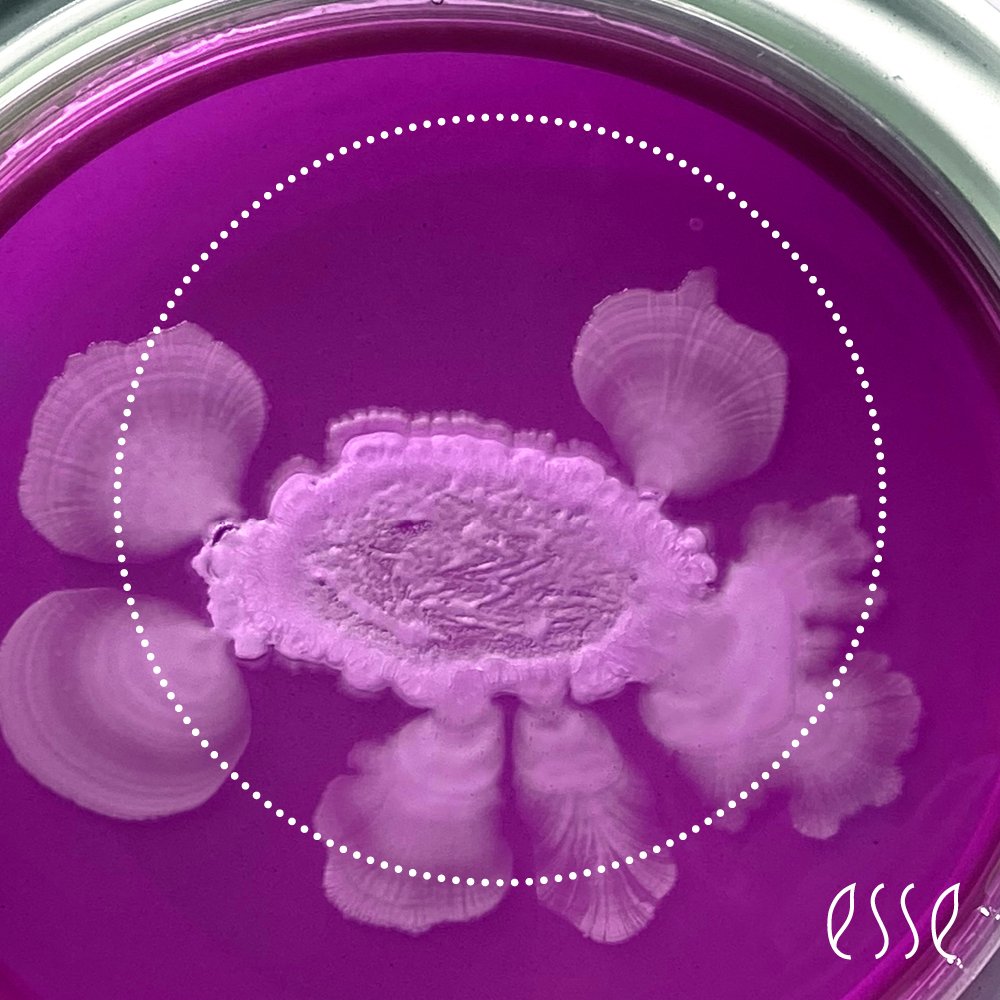
Your skin is home to trillions of beneficial bacteria that protect and strengthen it. This ecosystem is called the microbiome.
When balanced, your skin becomes stronger, calmer and more resilient.
When disrupted, the skin becomes reactive, dull and prone to ageing and breakouts.
This is one of the key reasons I take a holistic, long-term approach to skin health.
A different approach to healthy skin
In my clinic, I focus on repairing and strengthening the skin rather than chasing short-term results. This includes:
• Supporting the skin microbiome
• Strengthening the barrier
• Reducing inflammation
• Balancing hormones and lifestyle
• Personalised homecare
• Nutrition and stress support
This is why I introduced my Microbiome Skin Reset Programme By ESSE, designed to calm, strengthen and rebalance the skin using advanced probiotic therapy.
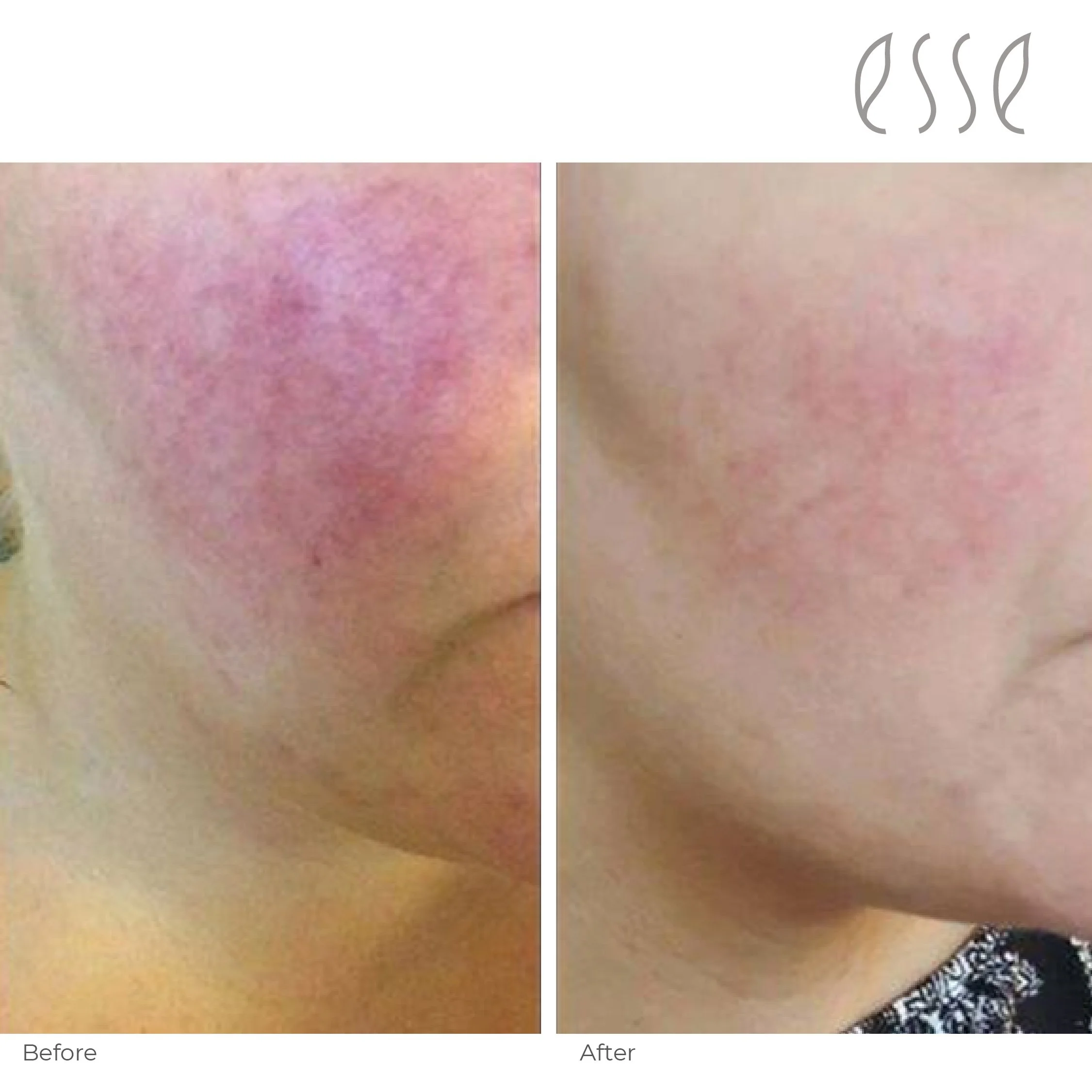
Many clients notice their skin becoming calmer, clearer and more resilient over time, with improvements in hydration, glow and overall skin health.
Who this approach is ideal for
This holistic approach is especially beneficial for women experiencing:
• Hormonal or adult acne
• Perimenopausal or menopausal skin
• Sensitivity and redness
• Loss of firmness and glow
• Stress-related skin
• Barrier damage from over-treating
Skin is just one piece of the puzzle - Wondering if blood sugar could be affecting your skin, energy, hormones or weight? Take my free 2-minute quiz. → Take the quiz